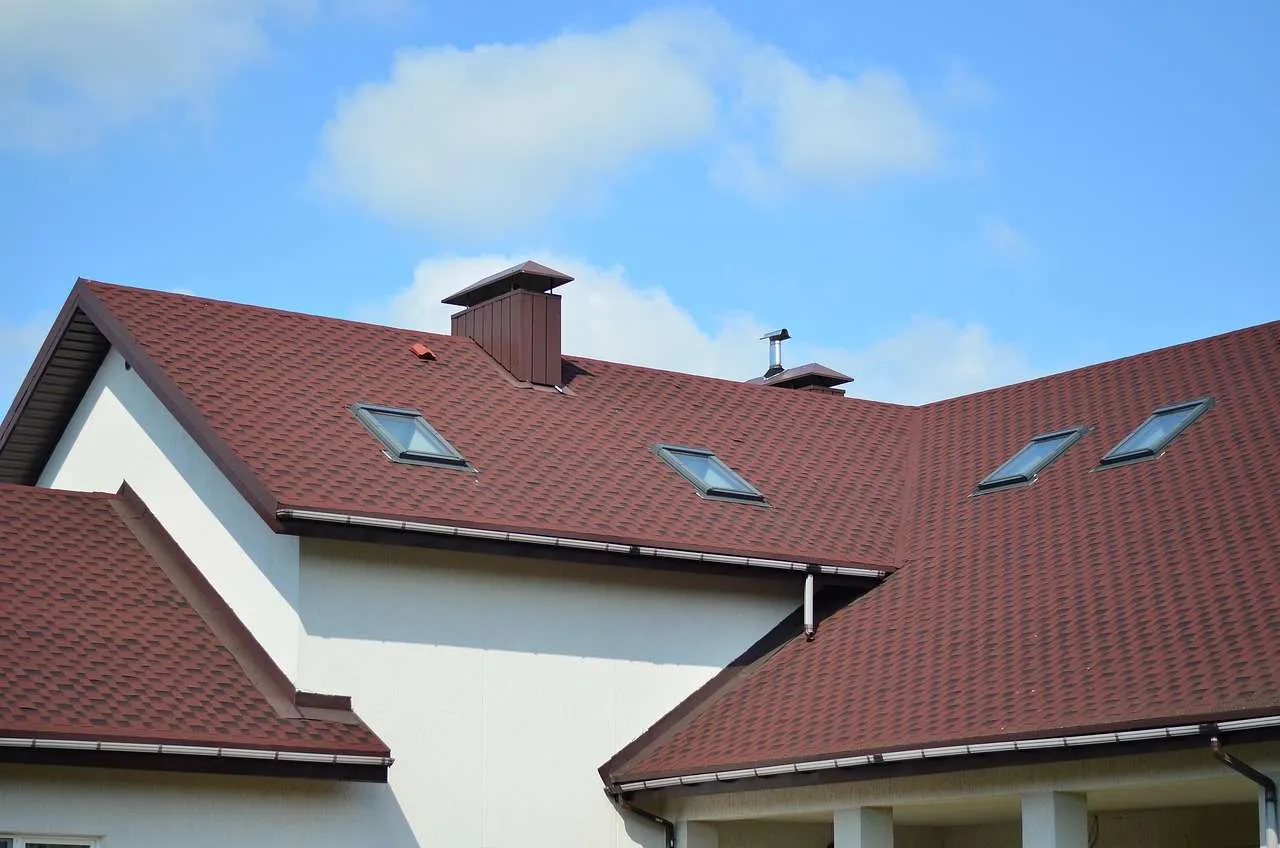
Repair of roofing is a common home maintenance task that affects safety and home value. Weather, age and initial installation quality all influence the rate of damage. This guide explains how to recognize problems, choose repair strategies, and decide when to call a professional. The advice here reflects industry best practices to help homeowners achieve durable, watertight results.
Recognizing the need for repair of roofing
Regular inspections help catch issues early. Look for curling or missing shingles, dark stains on ceilings or in the attic, roof sagging, granule loss, or corrosion around flashing. If you notice active leaks during rain, take temporary measures such as tarping or boards to minimize interior damage and plan a proper repair.
Common causes of roof damage
- Age and wear over time
- Severe weather such as hail, high winds or heavy snow
- Improper installation or poor attic ventilation
- Branch impact, debris buildup, or moss growth
Choosing a repair strategy
Small fixes such as replacing a few shingles or sealing minor leaks can be within the skill set of a capable homeowner. Larger issues, structural concerns, or signs of underlying damage should be evaluated by a licensed contractor. This protects waterproofing, warranty terms and structural integrity.
Steps for safe and effective repair of roofing
- Prioritize safety. Use fall protection, secure ladders and work in dry weather.
- Identify the leak path by tracing interior water intrusion up to the exterior roof features.
- Gather materials: replacement shingles or panels, roofing cement, flashing, nails and sealant.
- Remove damaged shingles carefully and inspect underlayment for rot or water damage.
- Install new shingles, seal joints, and reattach or replace flashing where needed.
- Test the repair by spraying with water and inspecting indoors for remaining leaks.
DIY vs professional repair
Homeowners with basic carpentry and safety discipline may handle minor repairs. Persistent leaks, roof sections near the ridge, or areas over occupied spaces should be handled by a licensed roofer to ensure proper waterproofing and to protect warranties.
Materials, methods and choosing the right solution
Materials vary by roof type. Asphalt shingles are common, but metal, tile or slate roofs require different fasteners and flashing. Choose weatherproof sealants, compatible underlayment, and durable flashing. For most repairs, ensure that the repair matches the roof profile and color to preserve curb appeal and value.
Maintenance to extend roof life
- Keep gutters clean to prevent water backing onto the roof edge
- Trim overhanging branches to reduce impact risk
- Schedule regular inspections after severe weather
- Address moss and algae promptly to prevent deck or shingle damage
Cost considerations and planning
Repair costs vary with roof type, damage extent and local labor rates. Small shingle replacements may cost a few hundred dollars, while more extensive flashing or deck repairs can reach into the low thousands. Always obtain multiple quotes and check licenses, insurance, and warranties as part of due diligence.
Table: Repair vs Replacement considerations
| Scenario | Typical Cost Range | Pros | Cons |
|---|---|---|---|
| Minor shingle repair | 100 to 400 | Low cost, quick fix | Temporary if underlying issues exist |
| Extensive flashing or leak repair | 300 to 1200 | Improved waterproofing | May reveal additional damage |
| Damaged deck or underlayment | 600 to 2500 | Longer lifespan | Higher upfront cost |
| Roof replacement | 5000 to 15000 | Warranty and long life | Highest upfront cost |
Conclusion
Conclusion, repair of roofing requires careful diagnosis, proper materials, and safe techniques. For persistent leaks or uncertain conditions, hire a licensed professional to protect your home, warranty and peace of mind.