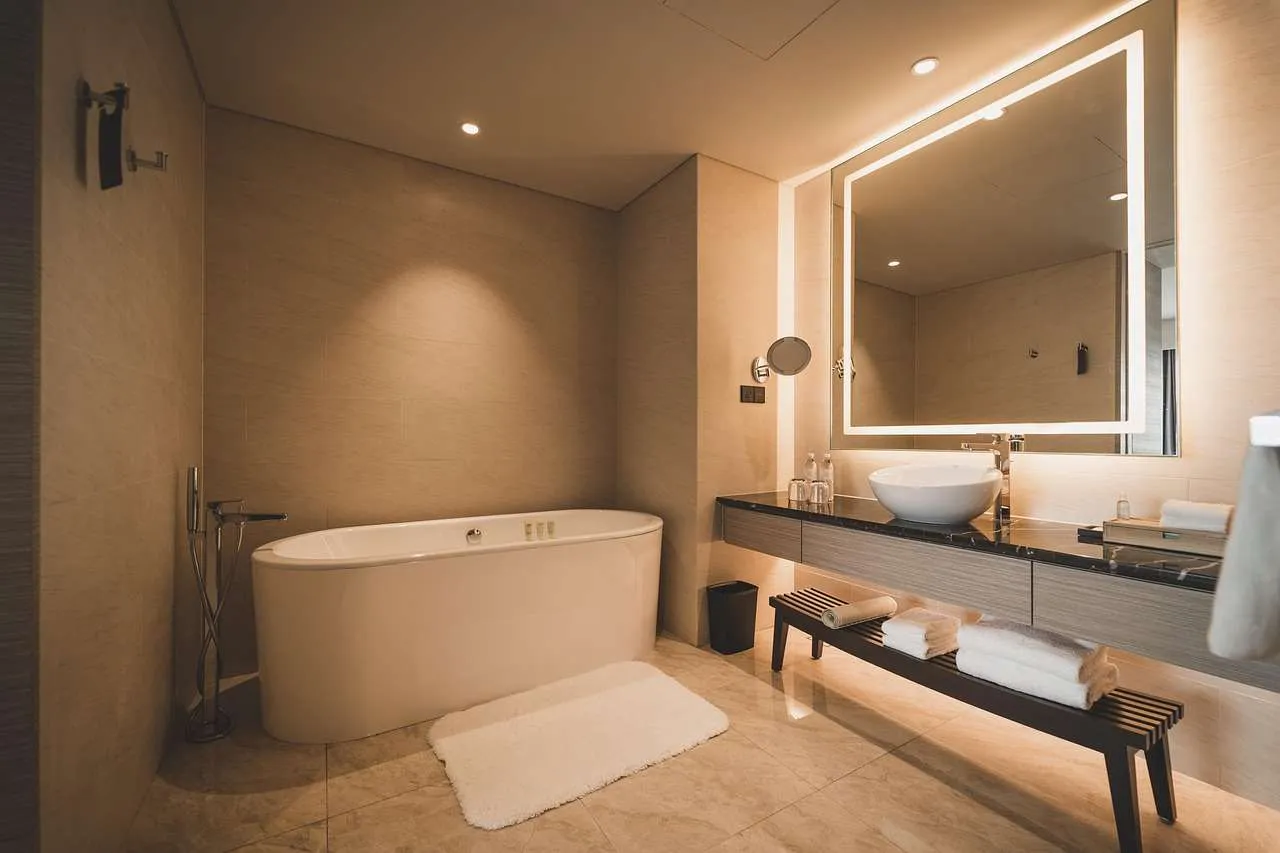
Choosing bathroom tile is a decision that blends style, durability, and practicality. This guide covers core options for showers and floors, and explains how to plan, install, and maintain tiles that stay beautiful for years.
Understanding bathroom tile options
There are several major categories to consider: ceramic and porcelain, natural stone, glass, and modern cement or resin tiles. Ceramic and porcelain are the workhorses of most bathrooms, offering a wide range of colors and textures. Natural stone brings warmth but needs more care. Glass tiles add sparkle and light, often used as accents or backsplashes. Cement or large-format options deliver a contemporary look with fewer grout lines.
Ceramic vs porcelain
Porcelain is a dense, water-resistant option suitable for floors and showers, while ceramic tile is lighter and often less expensive, ideal for walls and backsplashes. Look for water absorption ratings and PEI wear ratings when evaluating durability.
Natural stone considerations
Marble, travertine, and slate offer rich aesthetics, but they require sealing and regular maintenance to resist staining and etching. If you prefer low maintenance, consider porcelain imitations or glazed ceramic that mimic stone visuals.
Glass and other specialty tiles
Glass tiles catch light and create a sense of openness. They are excellent for backsplashes and feature walls but can be slippery on floors unless the surface is textured or used in combination with other tiles. Use matte or textured finishes in wet zones to improve safety.
Size, layout, and patterns
Tile size affects perceived space and joints. Large-format tiles reduce grout lines and can visually enlarge a room, while small mosaics add texture and grip. Rectified edges allow for minimal grout width, creating a sleek look. Pattern choices such as herringbone, checkerboard, or stacked bonds can transform a simple bathroom into a design statement.
Installation and preparation
Proper preparation is essential. A suitable substrate, waterproof membrane in wet areas, and a level surface prevent future failures. While DIY tiling is possible for small walls, most homeowners hire licensed tile installers for showers and floors to ensure waterproofing, correct spacing, and code compliance. Request project warranties and verify credentials with local trades associations.
Maintenance and care
Maintenance varies by material. Glazed ceramic and porcelain are relatively low-maintenance and respond well to mild cleaners. Natural stone requires periodic sealing and immediate cleanup of spills to prevent staining. Grout should be cleaned with appropriate grout-safe cleaners and resealed periodically to prevent discoloration and moisture intrusion.
Design tips and trends
For timeless bathrooms, pair neutral large-format tiles with contrasting grout and warm accents. Use a primary tile on the floor and a coordinating wall tile to create cohesion. Accent strips, mosaic niches, and glass or metallic trims can elevate the space without overwhelming it. Light-reflective tiles and lighter grouts can brighten small bathrooms, while dark grout adds depth in larger spaces.
Comparison and cost considerations
Prices vary by material, size, and installation complexity. Ceramic is usually the most budget-friendly, porcelain sits in the mid-range with added durability, natural stone can be premium depending on the type, and glass or large-format tiles may require professional installation and higher labor costs. The table below summarizes key points.
| Tile Type | Pros | Cons | Best For |
|---|---|---|---|
| Ceramic | Affordable, wide patterns | Less durable in high-traffic areas; may be less water resistant than porcelain | Walls, backsplashes, bathrooms |
| Porcelain | Durable, water resistant, versatile | Higher cost than basic ceramic | Floors, showers, wet areas |
| Natural Stone | Warm, premium look | Requires sealing; Etching/staining risk | Luxury baths, feature walls |
| Glass | Bright, modern, reflective | Slippery on floors; higher installation cost | Backsplashes, accents |
Note: Always consult with a licensed installer for waterproofing, proper substrate preparation, and regional code compliance. Choosing reputable brands and ensuring warranty coverage are key to EEAT—expertise, authoritativeness, and trust.
Summary: This guide covers tile options, installation fundamentals, care routines, and design strategies to help you plan a durable, stylish bathroom that suits your lifestyle and value goals.